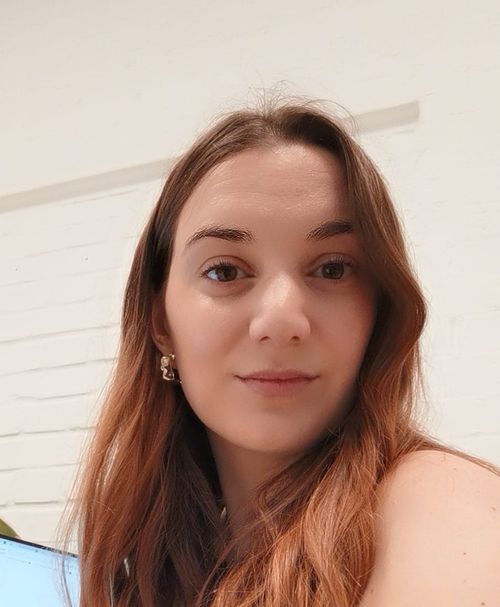
Volunteering has always been a huge part of my life, it was part of my childhood, following behind my Mum as she ran youth groups and mother and baby groups at our local church, to starting my own fair-trade group in secondary school and then finding my joy by jumping into youth work volunteering at 16.
Volunteering was so much a part of my life that I never really considered that what I loved doing for free could actually become how I made my living.
Nearly 20 years later, I've led volunteering and youth programmes, managed frontline services and developed volunteering strategies across organisations including Sea Cadets, London Fire Brigade, The Kids Network, Refuge, the National Domestic Abuse Helpline and Volunteering Matters.
And, of course, I still find time for actual volunteering too, including spending a slightly chaotic week every summer helping to run the St John Bosco Children's Camp.
Throughout my career, I'd seen organisations make really important commitments to becoming more trauma-informed, inclusive and accessible for the people using their services. But I wasn't always seeing the same thinking applied to the volunteers who are such a huge part of making those services happen.
That felt particularly important when so many people come to volunteering with their own lived experience.
So, I decided I was going to develop a trauma-informed approach to volunteer management and confidently added it to my work objectives before discovering there was very little training, research or practical guidance out there to help me actually do it.
So I started researching, developing resources and testing approaches myself.
And eventually, Inclusive Volunteering was born.
What started as a place to share ideas about trauma-informed volunteering has grown quite a bit.
In 2026, I took Inclusive Volunteering full-time and my work now takes me into charities and community organisations in all sorts of different ways.
I still deliver training and workshops on inclusive, accessible and trauma-informed volunteering, but I also work alongside organisations to improve programmes, untangle volunteer journeys, review recruitment and safeguarding processes, get CRMs and systems working properly, develop new services and provide additional programme capacity when teams need another pair of experienced hands.
Sometimes that means coming in for a few days to solve a particular problem. Sometimes it's a longer consultancy project. And sometimes it means rolling my sleeves up, joining the team and helping to actually deliver the work.
While volunteering will always be at the heart of Inclusive Volunteering, my work increasingly spans the wider youth, community and charity programmes that surround it too.
The idea at the heart of Inclusive Volunteering is still pretty simple:
When we make something more accessible, supportive and welcoming for the people who need it most, we usually make it better for everyone.
Whether I'm delivering a workshop, redesigning a volunteer journey, digging around in a CRM or supporting a programme through a tricky period, that's the thinking I bring with me.
So have a look around, steal anything useful from the resources, or get in touch if there's something in your organisation that could work a little better.